
Let me speak to something I see in the people I work with more than almost anything else, something that sits right at the heart of why the body storing emotions matters so deeply to physical health.
Someone who has done everything right. The specialists. The protocols. The clean eating, the supplements, the sleep tracking. Every variable optimized, every recommendation followed.
The fatigue is still there. The inflammation keeps returning. The vitality that used to exist has gone somewhere they cannot name.
The body storing emotions, specifically the unprocessed emotional frequencies of fear, grief, anger and prolonged stress, is the layer that most interventions never reach. It is not on the blood panel. It does not show up in the scan. It sits beneath every symptom, writing the instruction for how the body is allowed to feel. Most approaches address only part of the picture. This is the layer that tends to be missed entirely.
The science of epigenetics has established something that changes how we understand physical health entirely.
Emotional experience does not stay in the mind. When we live through fear, grief, betrayal or sustained stress, that experience alters gene expression in specific, measurable ways. It changes how the body reads pain. How the immune system fires. How inflammation is regulated.
A 2024 review by Xiong and colleagues, published in the International Journal of Molecular Sciences, found that aberrant DNA methylation profiles have been observed across a range of chronic pain syndromes, correlating with hypersensitivity to painful stimuli, neuronal hyperexcitability and inflammatory responses. Most significantly, they found that the transition from acute to chronic pain is marked by rapid DNA methylation reprogramming. The epigenetic landscape itself is driving how pain becomes self-sustaining. (Xiong et al., 2024, doi: 10.3390/ijms25158324)
This is why you can do everything the protocol says and still feel like something underneath is not shifting. The protocol is working at a different level than the pattern.
My TEDx talk on inherited emotional DNA goes deeper into how these patterns transmit across generations, not just within a single lifetime.
(If it resonates with you, I’d be so grateful if you’d like it and leave a comment. ❤️)

Here is the thing I want to say plainly.
Modern medicine is brilliant at reading what the body has already broken down. It has almost no tools for reading what the body has been asked to hold before the breakdown arrives.
When you experience fear, grief, anger, betrayal or prolonged stress, the subconscious stores that emotional frequencies within the body. Not to punish you. To protect you. It wraps it up and faithfully holds it somewhere it can be managed quietly, usually for years, sometimes for decades.
The pain that surfaces in your forties or fifties, the inflammation with no clear cause, the fatigue that sleep does not address, these are not the beginning of the story.
They are the point at which the body can no longer quietly carry what it has been holding.
The body is not your enemy. It never was.
It is an extraordinarily intelligent system doing exactly what it was designed to do. Storing what could not be processed at the time. Communicating through symptoms, sensations and physical patterns. Asking, in the only language it has, for what it has always needed.
Research by Vadhavekar and colleagues (2025) found that trauma can induce stable, long-term changes in gene expression through DNA methylation of stress-response genes including FKBP5, and that these epigenetic marks can be transmitted across generations. The body carrying what a parent or grandparent could not process is not a metaphor. It is measurable cellular biology. (Vadhavekar et al., 2025)
It is important to understand that the body is carrying two distinct layers of emotional experience. The first is your own. Every fear you have held. Every grief that did not have space to move through. Every loss or prolonged stress your nervous system absorbed and held onto. The second layer runs deeper. That is the inherited one. The emotional frequencies passed down through your lineage, encoded in your cells by experiences that may have happened generations before you were born. When both layers are addressed, the shift the body experiences is often profound.
The same mechanism that keeps the body locked in a pain pattern keeps a person circling the same income ceiling, the same relationship dynamic, the same decision they cannot quite make. If that resonates, the piece on why your success ceiling has nothing to do with strategy explores the cellular science of inherited patterns across every area of life.
I have watched this happen enough times to say it without hesitation.
When the body is no longer required to hold what it has been carrying, when the emotional frequency stored at the cellular level is finally given space to release, something changes that no protocol has been able to touch.
Less pain. More energy. A lightness that cannot be explained by diet or exercise because it was never caused by diet or exercise.
Physical patterns that had resisted every intervention begin, slowly, to shift. Not because a symptom was targeted. Because the root instruction was finally addressed.
This work is not a replacement for medical care. It is the layer beneath medical care that most practitioners do not yet have the tools to reach.
Inside C.L.E.A.R. DNA, this is the work we do every month. Going deeper into what the body may be carrying, where it holds it, and how it can begin to let it go. Not through force or willpower. Through new cellular experience that tells the nervous system the original threat is no longer present. If burnout is part of what you are carrying, the piece on overcoming burnout to reclaim your energy and purpose looks at the body-level cost of running on empty for too long.
Find somewhere quiet. Put one hand on the area of your body where you feel something most consistently.
Not the diagnosis. Not the story you have been told about it.
Just the place.
Do not look for a diagnosis. Do not analyze what you find. Simply notice the first honest word that comes when you place your attention there.
Now ask the body:
How long have you been carrying this?
What did you need when this first began that you never received?
You do not need to solve it. You do not need to understand the whole story. Being willing to listen, at this level, is the beginning of everything.
The way the body communicates and the way we override that communication are deeply connected. The piece on how to trust your intuition explores why we stop listening to what the body is telling us, and what becomes possible when we start.

If your body has been speaking and you are ready to listen at the level that actually changes things, this is where that work happens.
Inside C.L.EA..R. DNA, I work with members every month on releasing the emotional frequencies the body has been storing. Creating space for real, lasting physical shifts. Working at the cellular level, where the instruction was originally written.
Your body has not been failing you.
It has been waiting for you to come back to it.
With so much love,
Lisa
Yes, and this is supported by epigenetic research. When we experience sustained fear, grief, anger or stress, the subconscious stores that emotional frequencies within the body as a protective response. Research published in 2024 in the International Journal of Molecular Sciences found measurable DNA methylation changes in chronic pain pathways correlating with emotional history. The body stores these not as memories but as altered gene expression, which influences how the nervous system, immune system and inflammatory response function. (Xiong et al., 2024, doi: 10.3390/ijms25158324.)
Fatigue that rest does not resolve often signals the body is using significant energy to hold something it was never meant to carry permanently. When unresolved emotional frequency is stored at the cellular level, the nervous system remains in a low-level stress response and the immune system stays activated. Sleep addresses the surface. Working at the epigenetic level, releasing what the body has been storing, is where this kind of fatigue can begin to shift in a lasting way.
DNA methylation, a key epigenetic mechanism, plays a significant role in how pain becomes chronic. A 2024 review by Xiong and colleagues found that the transition from acute to chronic pain is marked by rapid DNA methylation reprogramming in genes governing pain perception and inflammation. These epigenetic changes can keep pain cycles active long after the original trigger has passed. Addressing the emotional and cellular root of pain, rather than only the symptom, is what creates lasting change where other interventions have not reached.
Research increasingly supports this. Vadhavekar and colleagues (2025) found that trauma-induced DNA methylation changes in stress-response genes, including FKBP5, can be transmitted across generations. What a parent or grandparent experienced, if not fully processed, can appear in the next generation as altered stress response, inflammatory patterns and unexplained physical symptoms. The body with no clear medical cause for its symptoms may be carrying something that began long before this lifetime.
Additional Reading
If this resonated, explore more of my work here:
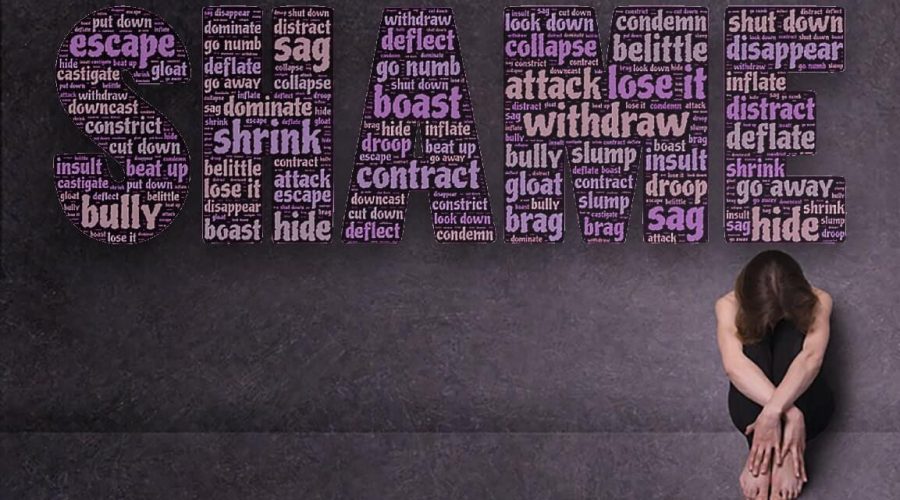
What, you ask, is inherited shame? What if I told you many emotions are inherited, that they are passed down in our lineage from generation to generation? Our ancestors didn’t

Where in life would you like to be feeling more joy or happiness? Everyone has a divine right to experience more joy and happiness on a daily basis. I’m not

Are You Sabotaging Your Joy? Where in life would you like to be feeling more joy or happiness? Everyone has a divine right to experience more joy and happiness on

Are You Living in the Past? Do you spend too much time living in the glorious memories of the past? What about those unpleasant thoughts of the past, do they

Food Heals Nation Podcast Featuring Lisa Thomas PGNlbnRlcj48aWZyYW1lIHN0eWxlPSJib3JkZXI6IG5vbmUiIHNyYz0iLy9odG1sNS1wbGF5ZXIubGlic3luLmNvbS9lbWJlZC9lcGlzb2RlL2lkLzY5MjM0MDYvaGVpZ2h0LzM2MC93aWR0aC82NDAvdGhlbWUvbGVnYWN5L2F1dG9uZXh0L25vL3RodW1ibmFpbC95ZXMvYXV0b3BsYXkvbm8vcHJlbG9hZC9uby9ub19hZGR0aGlzL25vL2RpcmVjdGlvbi9iYWNrd2FyZC8iIGhlaWdodD0iMzYwIiB3aWR0aD0iNjQwIiBzY3JvbGxpbmc9Im5vIiAgYWxsb3dmdWxsc2NyZWVuIHdlYmtpdGFsbG93ZnVsbHNjcmVlbiBtb3phbGxvd2Z1bGxzY3JlZW4gb2FsbG93ZnVsbHNjcmVlbiBtc2FsbG93ZnVsbHNjcmVlbj48L2lmcmFtZT48L2NlbnRlcj4= I’m so excited to be a guest on today’s Food Heals Nation podcast! Ever feel like any work you do on your

https://lisathomasglobal.com/wp-content/uploads/2019/02/Ways-To-Attract-More-Money.png 5 Ways To Attract More Money It can sometimes feel like only ‘other people’ have it easy, or money flows to them without much effort. Believe it or not
"*" indicates required fields
If you’re feeling called to step beyond inherited limitations and into your full potential, I’d love to welcome you into my private Facebook community.
And as we all know, sometimes things feel overwhelming…
Join the group and, as my gift to you, receive a guided healing activation to ease the pressure and restore clarity.
To get started, simply enter your first name and email below. You’ll receive instant access and be redirected straight to the community.
"*" indicates required fields